
Home funerals were once the way of the world back in the days before the United States Civil War, when the shear number of dead, along with the desire to make sure the deceased were remembered in a dignify way rather than as the bloody mess their bodies had become in battle, gave rise to the profession of the funeral director and its cousin the embalmer. For nearly 100 years the age old tradition of lovingly cleaning and dressing a body for display in a bed (or even on a table) in a family home and then burying the deceased in a simple (often shallow) grave in a homemade wooden casket with a homemade wooden cross marking the head in a small family cemetery usually not far from the patriarchal home began to wane, and death gradually became a matter to be delegated to professionals. By 1950, the idea of a home funeral became worse than quaint – it evolved into something downright disgusting for many people. And, as the lobbying power of America’s funeral homes increased with the industry’s overall wealth, home funerals even found themselves outlawed in many states. No, state officials across the country said to traditionalist, just hire the pros to do your loved one up right. Do-it-yourself is best reserved for food gathering and home making. And as economic conditions of the industrial age led to the phenomena of professionals specializing in just one area for their adult life, people did not object to the idea that funerals should be handled, almost exclusively by funeral directors (or undertakers and morticians as they were generally called in the early days of the trade). In just 100 years, a new tradition had taken over with great force: funerals for even the most modest of souls were ornate, formal affairs. Anything less – in otherwords, home funerals – was forbotten. Could we really have once been so beastly? a common person might have responded when confronted with the fact that home funerals were once the rule when a loved one passed away.
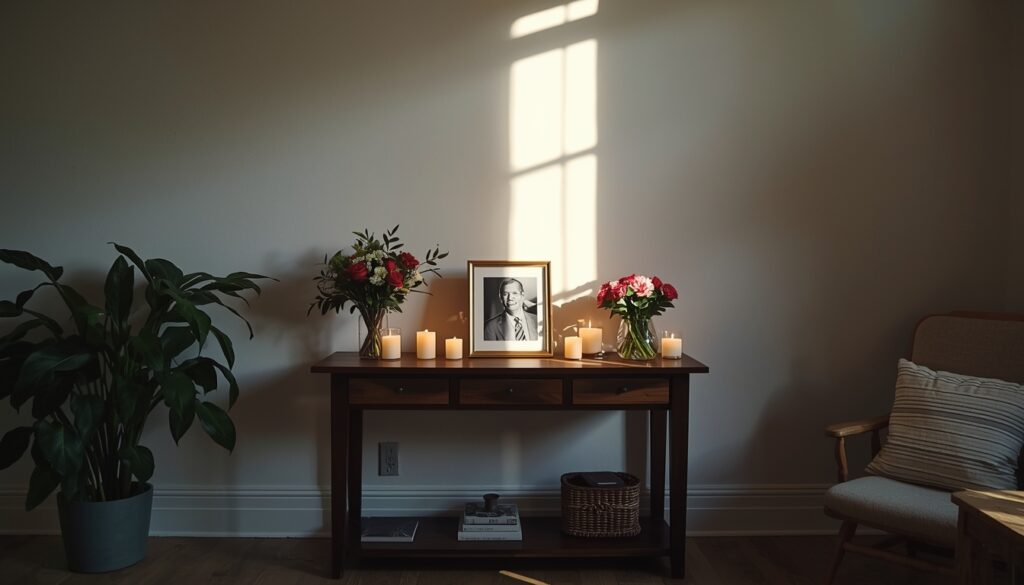
Alas, history is a cyclical affair. Home funerals stand poised for a comeback. The public that once clamored for the formality and glitz of a professionally administered funeral now stands ready to return to the days of the simple, informal, home funerals. For families exploring different options, learning about Alternatives to Traditional Funerals can provide valuable insight into more personal and affordable approaches.To be sure, funeral directors do not seem destined for the unemployment line any time soon, but they are already feeling the pinch of simplicity, usually in the name of economy. Their less sophisticated “packages” are often proving to be the most popular these days, and many have even taken to handing out flyers and brochures (and producing website articles) that extoll the “benefits” of hiring a professional funeral director as opposed to going the, increasingly popular “home funeral” route.
Though no one seems to be keeping statistics about just how popular home funerals are these days, plenty of anecdotal evidence exists to say that the trend seems to be growing every year. Newspaper articles about the practice are popping up in even the smallest cities, and lawmakers in almost every state have now made the practice perfect legal.
So, we figure, its time to serve the public with a brief online article of our own to extoll the benefits of, indeed, forgoing a funeral director (or at least limiting his or her involvement in a funeral) and turning to one’s own family resources entirely to prepare the perfect fitting funeral services for a loved one who has passed away.
Financial Benefits
The most obvious of benefits that a home funeral brings to a family is financial. Hiring a funeral director in today’s world will generally cost about $7,000 at least. And that number is poised, death care industry analysts say, to go only upwards in the coming years. And, when one ads the cost of burial (current estimates are an average of about $8,000), the grand total is up to $15,000 or more.
Saving that much money (since home funerals can be done for absolutely no money if the planning is conducted properly) is a no-brainer for most modern families. In fact, it’s been said that the only reason why home funerals are not done universally is because too many Americans have never stopped to study the issue and realize the savings they could make if they simply refused to involve a funeral director in their plans.
Even hiring a funeral director as a consultant for a home funeral (at the going rate of about $1,000) is a far cry from spending 15 times that amount for a full fledged menu of services that many families find wasteful and even frivolous. It is for this reason that many funeral homes (usually in the bigger cities across the United States) have started offering “home funerals” as part of their regular package of services. For an amount substantially lower than the price of a traditional funeral (or at least traditional in the sense of the word as it has come about since the 20th century) a family can hire a funeral director to help arrange services in a family home.
Even if a family hires a funeral director “consultant” and pays for a simple casket (as opposed to a home made wooden one) and rents a hearse to transport a body to a home from a hospital and then to a private family cemetery, the total cost for a “home funeral” can be as low as about $3,000. That prospect for significant savings is enough to catch anyone’s attention.
Emotional Benefits
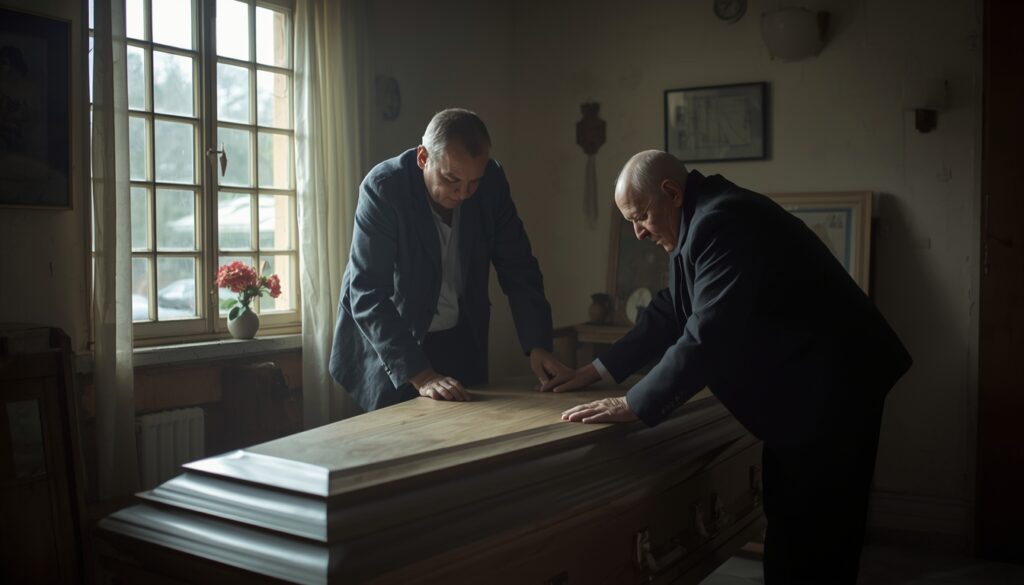
And, still further, families that choose home funerals in today’s world report that the emotional aspects of tending to a loved one’s remains themselves are a lasting testament to the benefits of home funerals. Psychologists and other experts in mental health will typically concur.
The act of bathing a loved one’s body, dressing it just so, and then arranging it in a loving display – in a place that was warm and loving for the deceased – for mourners to see in a visit to a family home can be much more helpful emotionally than the typical, sterilized (even impersonal) traditions of displaying a body in an artificial setting of a funeral home’s visitation room. Many people who had never thought to complain of the impersonal nature of a typical funeral in a funeral home are discovering though home funerals that the personal touch makes all the difference in the world. Yes, these people will typically report, imperfections are prevalent in a home funeral’s display of a body, but these issues are minor and are more than made up for in the loving fellowship that comes from a family binding together to attend to the deceased in a loving way. Directly confronting the natural effects of death as it encompasses a loved one’s body is an exceedingly healthy way of starting the grieving process and experiencing life to its fullest as a human being. Many people who have taken on the challenge of making home funerals a tradition in their family report that it is the most spiritually refreshing act they have every experienced. A quick search of the internet shows dozens of articles from those who report favorably on the experience, and zero articles from those who would choose to return to a funeral arranged and administered entirely by a funeral home and funeral director the next time around.
Cultural Benefits
And, finally, the home funeral movement that has sprung about in recent years seems to be helping to return the modern cultures of the world to a more realistic, and therefore healthy, view of death. Funeral home funerals were largely begun in response to the public’s natural-but-impossible desire to erase the negative affects of war. Rather than to confront the bloody mess of a loved one’s body that had been mangled in a combat (often in a battle that pitted brother and against brother), families were grateful for the ability to pay large sums for the art of embalming that would transform the deceased into an elegant picture of heroism and honor, helping the living who would attend a funeral to avoid confronting their own roles in a society that would send young men to die in brutal and vicious ways for its questionable causes.
A home funeral, meanwhile, offers no such protection from the emotional trauma of death. Deciding to forgo a funeral home’s services is a point of no return for many families. They must accept a body as it comes. They must deal with the onset of decay that happens within just an hour or two of a death. They must face the harsh, uncomfortable realities of mortality – in their own lives as well as those of the deceased they are caring for.
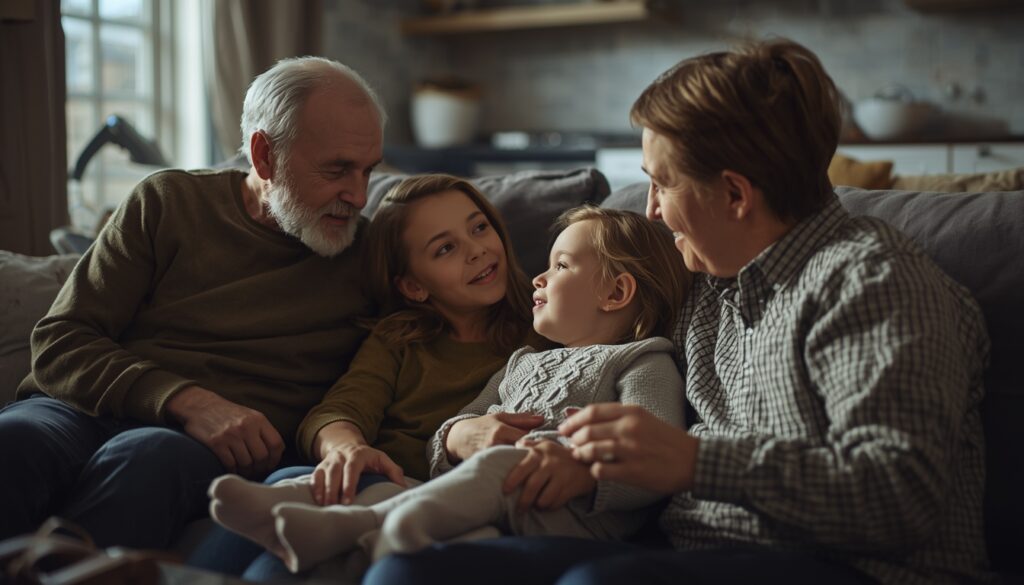
This brings about a change in the individuals who participate in the home funeral, and that brings about a gradual change in society as a whole. It seems likely that, as the modern world adjusts gradually back to the tradition of home funerals, the statistic keepers of the world may also observe a gradual change in society: less violence, and more overall respect for life on Earth, seems destined to become the likely result.